BPD Subtypes
Discouraged BPD
Also called Quiet BPDThe subtype that suffers in silence. From the outside, everything looks fine. From the inside, it's anything but.
The Storm That Stays Inside
Discouraged BPD is sometimes called “Quiet BPD” because the hallmark features of Borderline Personality Disorder — the rage, the impulsivity, the visible chaos — are turned inward rather than outward. The person still experiences the full intensity of BPD emotions, but they've learned, often from childhood, that expressing those emotions isn't safe.
So they swallow it. The anger becomes self-loathing. The fear of abandonment becomes desperate, silent clinging. The emptiness becomes a void they can't name and can't escape. They don't explode — they implode.
This is the subtype most likely to be misdiagnosed as depression, social anxiety, or avoidant personality disorder. Because the person doesn't fit the “explosive” stereotype of BPD, clinicians may miss it entirely — and the person themselves may never suspect that what they're experiencing has a name.
What Discouraged BPD Feels Like

Chronic Emptiness
Not sadness — something deeper. A hollowness that sits in the chest and won't leave. The feeling that something essential is missing, but you can't name what it is. People with discouraged BPD often describe feeling like they're watching life through glass — present, but never fully there.
Silent Clinging
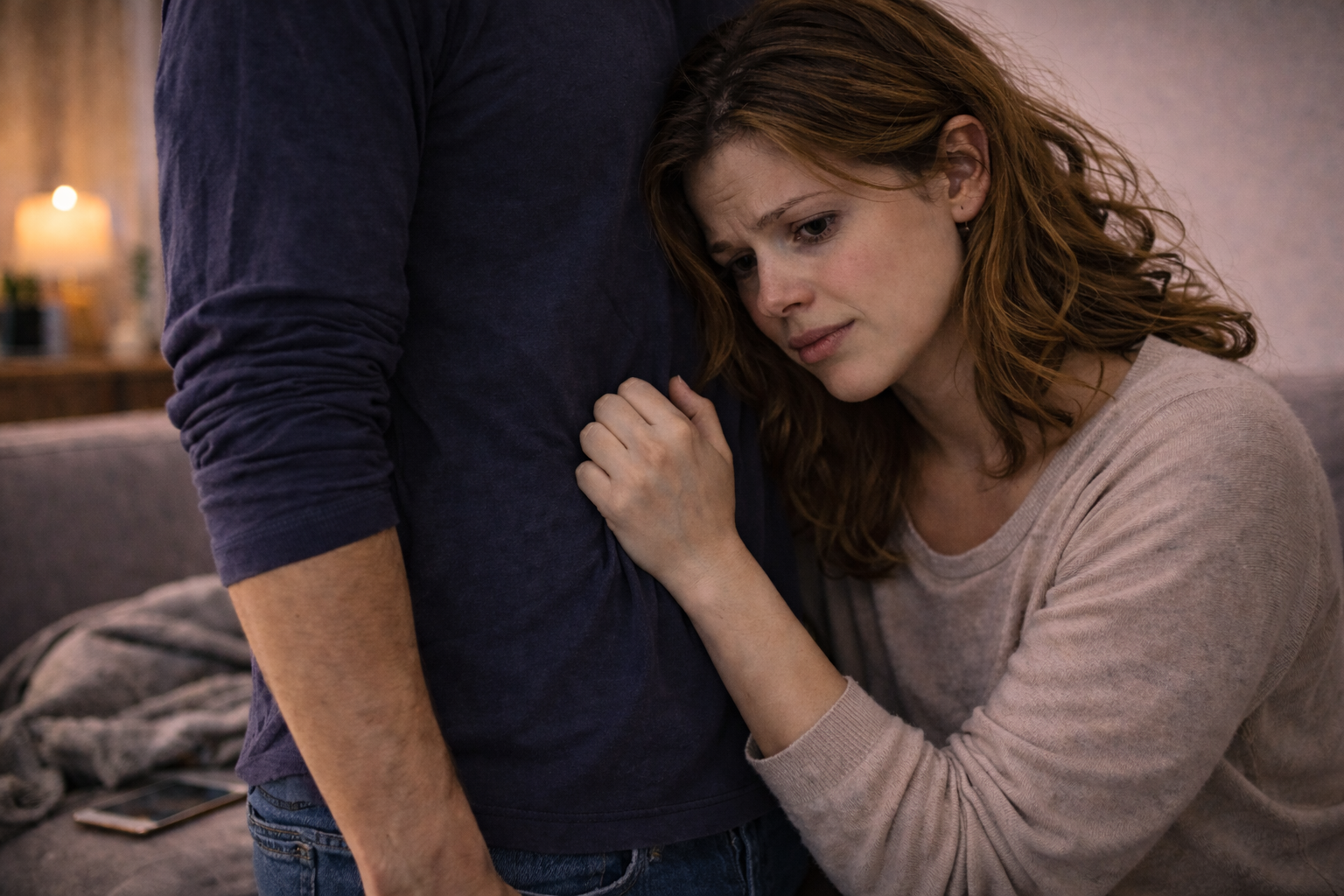
The fear of abandonment is just as intense as in other subtypes, but it shows up differently. Instead of angry outbursts when threatened with loss, the discouraged person becomes compliant, agreeable, self-sacrificing — anything to keep the other person close. They erase themselves to avoid being left.
Inward-Directed Rage
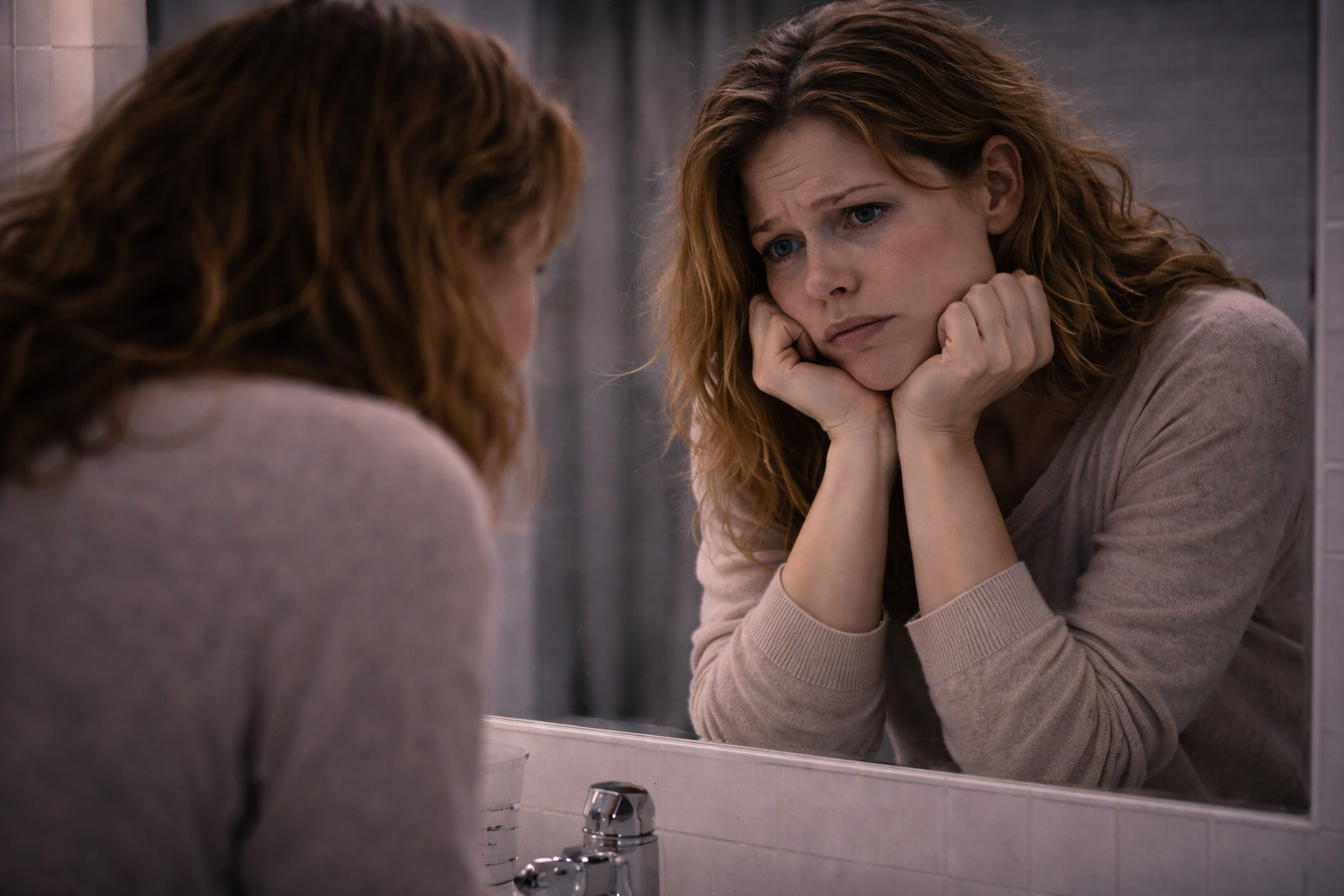
The anger is there — it's always there. But instead of directing it at others, the discouraged person turns it on themselves. Self-criticism becomes a constant inner monologue: “You're too much. You're not enough. You don't deserve to take up space.” This can manifest as self-harm, self-sabotage, or simply shutting down.

The Mask of “Fine”
People with discouraged BPD are often described as “the strong one” or “so put together.” They've learned to perform normalcy so convincingly that no one sees the crisis underneath. When they finally reach out for help, people are genuinely shocked — which reinforces the belief that their pain isn't visible, valid, or real.
Common Patterns
- Appearing dependent, passive, or overly accommodating in relationships
- Chronic feelings of inadequacy and not being "enough"
- Withdrawing or going silent during conflict instead of engaging
- Idealizing others while devaluing yourself
- Difficulty identifying or expressing your own needs
- People-pleasing to the point of losing your identity
- Staying in unhealthy relationships out of fear of being alone
- Internalizing blame for everything that goes wrong
- Periods of emotional numbness or dissociation
- Self-harm or suicidal ideation that no one around you suspects
Why Discouraged BPD Gets Missed
The popular image of BPD is loud, dramatic, and impossible to ignore. Discouraged BPD is the opposite — quiet, compliant, and easy to overlook. Clinicians who screen for BPD based on visible interpersonal conflict or explosive anger will miss this subtype entirely.
Many people with discouraged BPD spend years in treatment for depression or anxiety without ever being assessed for BPD. The antidepressants help a little. The anxiety techniques help a little. But the core wound — the unstable sense of self, the terror of abandonment, the emotional intensity that never gets expressed — remains untouched.
If you recognize yourself in these descriptions, it doesn't mean you definitely have BPD. But it does mean a conversation with a clinician who understands the full spectrum of how BPD presents could be worth having.
Treatment Considerations
DBT is effective for discouraged BPD, but the therapeutic relationship may look different than with other subtypes. The discouraged person is less likely to miss sessions or argue with the therapist — and more likely to silently comply while feeling unseen.
Therapists working with this subtype need to actively draw out the anger and pain that the person has learned to hide. Validation is especially critical — the discouraged person needs to hear, repeatedly, that their emotions are real, that their pain counts, and that they are allowed to take up space.
The interpersonal effectiveness module of DBT is often transformative for this subtype — learning to ask for what you need, say no, and tolerate the discomfort of being seen is revolutionary for someone who has spent their entire life disappearing.
Your Pain Is Real
Just because others can't see it doesn't mean it isn't there. You deserve help that reaches the parts of you that you've been hiding.